
Signs Your Grease Trap Needs Cleaning in Bradenton Restaurants
- May 25
- 5 min read
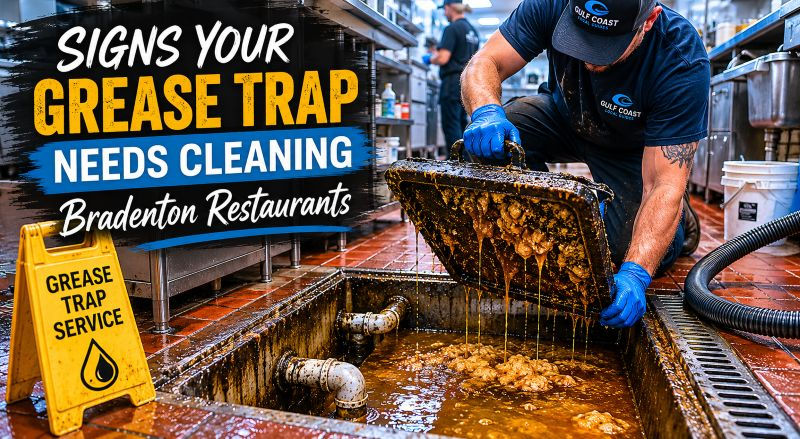
Grease traps collect fats, oils, and grease before they enter a restaurant’s plumbing system. Over time, buildup fills the trap and restricts wastewater flow, making it harder for the system to handle daily kitchen volume.
Many restaurant owners don't notice a problem until they see slow drains, strong odors, backups during busy hours, or visible grease around the interceptor. By the time those signs appear, the trap is usually overdue for cleaning.
Bradenton restaurants experience faster buildup because of long operating hours, tourist season traffic, and grease-heavy menus like seafood and fried foods. Kitchens producing large amounts of oil, grease, and food waste often fill grease traps much faster than expected, especially during busy seasons when customer volume increases throughout the week.
If you are unsure how often your system should be maintained, read How Often Should a Grease Trap Be Cleaned in Bradenton Restaurants? before larger problems begin developing.
Slow Drains Around Sinks and Floor Drains
One of the earliest and most common warning signs of grease buildup is slow drainage throughout the kitchen.
As grease accumulates inside the trap, wastewater has a harder time moving through the system efficiently. The buildup gradually reduces available capacity inside the interceptor, slowing drainage across multiple fixtures at the same time.
Kitchen staff may first notice:
Prep sinks draining slower than normal
Water pooling around floor drains
Dishwashing sinks backing up during heavy use
Standing water near mop sinks
Bubbling or gurgling sounds from drains
These problems usually start gradually before becoming more severe over time, which is why many restaurants overlook the warning signs early on.
In busy Bradenton restaurants, grease traps often fill faster during tourist season, weekend dinner rushes, or periods of increased kitchen output. Restaurants serving fried foods, seafood, or high volumes of cooking oil may experience buildup even faster because of the amount of grease entering the system daily.
Drain cleaners might seem to help initially, but they do not solve the underlying problem if the grease trap itself is overloaded and overdue for cleaning.
Strong Odors Inside or Outside the Building
Strong odors are another major sign that grease buildup inside the trap has reached excessive levels.
As food waste, grease, and wastewater sit inside the trap over time, the material begins breaking down and producing foul-smelling gases. Those odors can eventually travel through drains, kitchen plumbing, outdoor interceptor lids, and surrounding service areas.
Restaurant owners and employees may begin noticing:
Sour smells near sinks and floor drains
Persistent kitchen odors that linger throughout the day
Strong smells near outdoor grease interceptors
Odors near dumpster areas or rear entrances
Smells that become worse during hot weather
Florida heat intensifies grease trap odors quickly, especially during the summer months when high temperatures accelerate decomposition inside the system.
Restaurants with outdoor seating areas or customer entrances located near grease interceptors may eventually have odors noticeable to customers as well, negatively affecting the dining experience before guests even walk through the door.
Restaurant owners often try to mask the smell with cleaning products or deodorizing agents, but the odors continue returning until the grease trap is properly cleaned and serviced.
Grease Backup During Busy Kitchen Hours
A grease trap nearing capacity seems fine during slower periods but fails once kitchen demand increases.
Many restaurants first experience visible backups during:
Weekend dinner rushes
Holiday weekends
Tourist season
Catering events
Large lunch or dinner services
As kitchen volume increases, wastewater enters the trap faster than the system can process it. When grease buildup takes up too much internal space, the interceptor loses efficiency and can no longer separate grease properly before wastewater moves through the plumbing system.
This can lead to:
Water backing up into sinks
Overflow near floor drains
Slow drainage across multiple stations
Kitchen interruptions during peak hours
Emergency service calls during business operations
For restaurants, a backup during dinner rush is not an inconvenience. It is a shutdown that disrupts food preparation, slows kitchen production, creates sanitation concerns, and puts pressure on both employees and customers during the busiest parts of the day.
You can also read What Happens If a Restaurant Skips Grease Trap Cleaning? to understand how long-term buildup affects plumbing systems and kitchen operations over time.
Grease Overflow Near Outdoor Interceptors
Restaurants with larger outdoor grease interceptors may begin noticing visible warning signs around the tank area once the system becomes overloaded.
Unlike smaller under-sink grease traps, outdoor interceptors handle large amounts of wastewater from commercial kitchens every day. When buildup becomes excessive, grease and wastewater may begin escaping around the lid area or collecting near the tank itself.
Common warning signs include:
Grease residue around the interceptor lid
Standing wastewater near the tank
Wet or soggy ground around the interceptor
Strong odors outside the building
Overflow during heavy rainstorms
Grease stains near parking or service areas
Florida rainstorms can make these situations worse by saturating already overloaded systems and increasing the likelihood of overflow around the interceptor area.
Restaurants in Bradenton with older systems, inconsistent maintenance schedules, or heavy kitchen output may experience these problems more frequently once the trap loses available capacity.
Ignoring visible grease overflow can eventually contribute to larger plumbing failures, sanitation concerns, environmental issues, and expensive cleanup costs around the property.
Increased Pest Activity Around the Trap Area
Grease traps that are overdue for cleaning can quickly become an attractive environment for pests.
As fats, oils, and food waste build up inside the trap, odors and moisture begin attracting insects and rodents looking for a consistent food source. In many commercial kitchens, pest activity starts increasing before restaurant owners even realize the grease trap itself is becoming overloaded.
Restaurants may begin noticing:
Flies gathering near floor drains or sink areas
Roaches appearing around dishwashing stations
Increased insect activity outside near interceptor lids
Rodents around dumpster and grease disposal areas
Small gnats or drain flies lingering near plumbing fixtures
Hot and humid Florida conditions can make these problems worse, especially during the summer months when grease odors become stronger and pests become more active.
Outdoor grease interceptors can also create issues if grease buildup begins overflowing or leaking around the lid area. Standing wastewater and food residue can attract insects quickly, particularly behind restaurants where grease containers, dumpsters, and drainage systems are located close together.
For restaurants in Bradenton, ongoing pest problems can eventually lead to sanitation concerns, failed inspections, and customer complaints if the source of the issue is not addressed.
Routine grease trap cleaning removes the buildup that attracts pests and helps keep commercial kitchens cleaner, safer, and easier to maintain.
Why Waiting Too Long Creates Bigger Problems
Many grease trap problems start small before gradually turning into larger operational issues for restaurants.
A slow drain or occasional odor becomes plumbing backups, emergency pumping situations, kitchen downtime, or sanitation concerns that affect daily business operations.
As grease buildup increases, restaurants may eventually face:
Major drain backups
Emergency service calls
Kitchen shutdowns during busy hours
Failed health inspections
Expensive plumbing repairs
Increased pest activity
Customer complaints caused by odors or sanitation concerns
Emergency grease trap issues also tend to happen at the worst possible times, including dinner rushes, weekends, and holiday periods when kitchens are already under pressure.
Routine grease trap maintenance helps restaurants avoid these larger disruptions while keeping kitchen operations running more efficiently throughout the year.
For additional commercial wastewater and restaurant maintenance resources, explore the Grease Trap Guides section on Gulf Coast Local Guides.
You can also learn more about commercial grease trap pumping services in Bradenton for restaurants and commercial kitchens throughout the Gulf Coast region.


Comments