
Why Restaurants Need Routine Grease Trap Pumping
- May 10
- 5 min read
Updated: Aug 3
Restaurants and commercial kitchens produce large amounts of grease, oils, food solids, and wastewater every day. Without routine pumping, buildup accumulates until drainage problems begin affecting kitchen operations.
Routine grease trap pumping removes accumulated grease and food waste before it creates slow drains, strong odors, backups, grease overflows, and emergency plumbing problems.
For busy kitchens, staying ahead of buildup is far less disruptive than dealing with wastewater problems during lunch and dinner service.
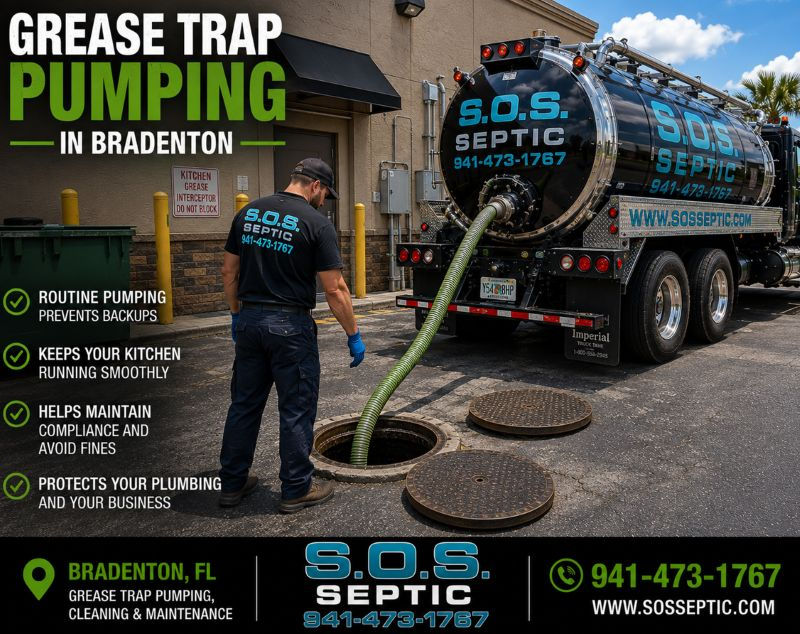
Commercial Kitchens Produce More Grease Than Most Owners Realize
Every commercial kitchen produces grease daily.
Fryers, grills, prep stations, sinks, dishwashing areas, and cooking equipment all contribute grease, oils, food solids, and wastewater to the grease trap system throughout the day.
The volume adds up quickly.
A busy restaurant can push hundreds of gallons of wastewater through the system every week. Every plate washed, fryer emptied, prep sink used, and cooking surface cleaned sends additional grease and food waste toward the trap.
As grease accumulates inside the system, available capacity decreases and wastewater flow becomes less efficient.
Grease trap pumping removes that buildup before it begins restricting normal system performance.
Restaurants operating lunch and dinner service can fill grease traps faster than owners expect. Kitchens producing fried foods, seafood, sauces, and high dishwashing volume place far more grease into the system than a surface inspection reveals.
How Restaurants Determine Pumping Frequency
Different restaurants produce different amounts of grease.
A seafood restaurant running multiple fryers all day fills a grease trap much faster than a coffee shop serving drinks and light food items. Likewise, a sports bar serving lunch and dinner seven days a week generates more grease than a small café with limited cooking operations.
Several factors affect pumping frequency:
Fryer usage
Daily customer volume
Menu type
Kitchen size
Dishwashing volume
Hours of operation
Grease trap size
A restaurant serving fried foods, seafood, wings, burgers, and other grease-heavy menu items generally requires more frequent pumping than a lighter-use kitchen.
Maintenance schedules should be based on actual kitchen volume rather than a calendar alone.
Businesses unsure about maintenance intervals should review How Often Should a Grease Trap Be Cleaned?
Grease Buildup Restricts Wastewater Flow
As grease buildup increases inside the trap, wastewater has a harder time moving efficiently through sinks, floor drains, and kitchen plumbing lines.
The trap continues filling while available capacity continues shrinking.
As this happens, restaurants begin noticing:
Slower kitchen drains
Standing water near floor drains
Wastewater backups during busy periods
Gurgling sounds from drains
Stronger odors near sinks and prep areas
Drainage problems become most noticeable during lunch and dinner rushes when wastewater volume is highest.
Once buildup reaches a certain point, the trap can no longer process normal wastewater volume effectively.
Businesses already noticing drainage issues should review Signs Your Grease Trap Is Full.
Why Visual Inspections Are Misleading
One of the most common mistakes restaurant owners make is assuming the grease trap is fine because it still appears to have open space inside.
The visible surface does not tell the full story.
Grease accumulates near the top of the trap while food solids settle toward the bottom. A trap can appear to have available capacity while large amounts of grease and solids are already reducing system performance.
This is why restaurants sometimes experience slow drains, odors, and drainage problems even when the trap does not appear completely full.
Routine pumping removes accumulated material before it begins restricting wastewater flow.
Waiting until the trap looks completely full means the system has already been operating below normal efficiency.
Why Busy Hours Expose Grease Trap Problems
Grease trap problems remain hidden during slower periods.
A kitchen may appear to operate normally throughout the morning, only to experience drainage issues once lunch service begins.
As prep stations, sinks, dishwashers, and floor drains begin handling larger volumes of wastewater, overloaded grease traps struggle to keep up.
This often results in:
Slower drainage
Wastewater pooling near floor drains
Dishwashing delays
Sink backups
Stronger odors
For restaurants operating at full capacity, even minor drainage issues disrupt kitchen workflow.
Staff productivity slows, cleanup requirements increase, and kitchen operations become less efficient.
These are often the same warning signs discussed in Why Does My Grease Trap Smell?
What Routine Pumping Prevents
Routine pumping prevents problems before they begin affecting daily operations.
Removing grease, food solids, and wastewater buildup reduces the likelihood of:
Strong odors
Slow drains
Grease overflows
Plumbing backups
Blocked drain lines
Emergency service calls
A grease trap that receives routine pumping processes wastewater more efficiently than a system overloaded with accumulated grease and food waste.
Businesses that wait until warning signs appear are already dealing with a system operating below normal capacity.
Routine Pumping Protects More Than the Grease Trap
Grease trap pumping protects more than the trap itself.
As grease moves through the wastewater system, it affects:
Floor drains
Kitchen plumbing lines
Dishwashing stations
Prep sinks
Wastewater flow throughout the facility
Routine maintenance removes buildup before it reaches other parts of the plumbing system.
For restaurants operating busy kitchens, this means fewer interruptions, fewer emergency calls, and fewer situations where staff are forced to work around drainage problems during service.
The goal is not simply keeping the grease trap clean.
The goal is protecting the entire wastewater system that supports daily kitchen operations.
The Cost of Ignoring Grease Trap Maintenance
Grease trap problems affect more than plumbing.
As drainage issues worsen, restaurants deal with:
Slower dishwashing operations
Standing water in prep areas
Emergency cleanup situations
Interrupted kitchen workflow
Reduced staff productivity
Temporary service disruptions
A wastewater backup during lunch or dinner service impacts food preparation, sanitation, employee efficiency, and customer service at the same time.
Emergency service also costs more.
After-hours calls, plumbing diagnostics, additional cleanup, and operational downtime quickly exceed the cost of staying on a routine pumping schedule.
Businesses delaying service spend more correcting problems than they would have spent preventing them.
Businesses already dealing with recurring drainage problems should also read What Happens If a Grease Trap Isn't Cleaned?
Is Your Grease Trap Due for Pumping?
Your grease trap should be evaluated if:
Drains are slowing down
Odors continue returning
Floor drains back up during busy periods
Grease is visible around the trap area
Wastewater struggles during peak operating hours
The trap has exceeded its recommended service interval
Kitchen volume has increased significantly
Waiting until a backup occurs means buildup has already reached a level that is affecting system performance.
Schedule Pumping Before Problems Start
Routine grease trap pumping removes grease and food solids before they create odors, backups, overflows, and wastewater problems.
Businesses comparing local providers can explore Commercial Kitchen Grease Trap Maintenance Services.
Restaurants ready to stay ahead of buildup can learn more about scheduled grease trap pumping for restaurants before drainage issues begin affecting daily operations.


Comments