
How Often Should a Grease Trap Be Cleaned?
- Apr 5
- 5 min read
Updated: Aug 3
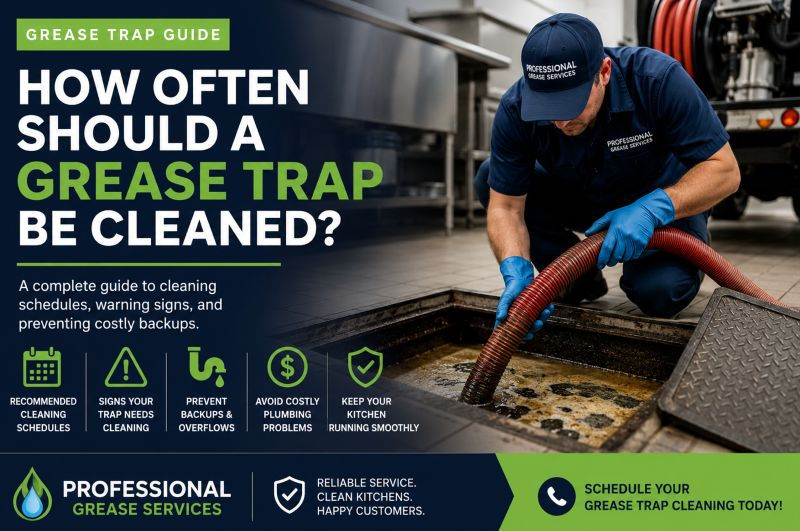
Regular grease trap cleaning prevents buildup, slow drains, foul odors, and costly plumbing problems inside commercial kitchens.
Restaurants, cafeterias, food trucks, and food service businesses produce grease, oils, and food waste every day. Over time, that material collects inside the grease trap and reduces the system’s ability to separate grease from wastewater.
Without routine maintenance, buildup leads to drainage problems, backups, odors, and interruptions to normal kitchen operations.
Businesses dealing with recurring grease buildup, slow drains, or odors should address the issue before it turns into a larger wastewater problem. Restaurants looking to stay ahead of these issues can learn more about professional grease trap pumping for Bradenton restaurants.
Why Grease Traps Need Routine Cleaning
Grease traps capture fats, oils, grease, and food solids before they enter the wastewater system. As wastewater flows through the trap, grease rises to the top while heavier solids settle at the bottom.
Over time, that buildup reduces usable space inside the trap. Once the trap loses capacity, wastewater slows down, grease separation becomes less effective, and the kitchen plumbing starts showing signs of strain.
Common warning signs include:
Slow kitchen drains
Foul odors near sinks or floor drains
Grease overflowing from the trap
Wastewater backups
Recurring plumbing issues
Routine cleaning removes grease and solids before they disrupt kitchen operations.
What Determines How Often a Grease Trap Needs Cleaning
Most grease traps need cleaning every 1 to 3 months, but there is no single schedule that works for every kitchen.
Cleaning frequency depends on the amount of grease entering the system each day. A kitchen producing large amounts of grease fills a trap much faster than a kitchen serving lighter menu items with less food preparation.
Several factors affect cleaning frequency:
Trap size
Daily kitchen volume
Fryer usage
Menu type
Number of customers served
Hours of operation
Amount of grease produced
A high-volume restaurant with fryers, seafood, fried foods, or heavy dinner rushes may require service every 30 days. A moderate-use kitchen may fit a 60-day schedule. A smaller café or lighter-use kitchen may fit closer to 90 days.
Busy restaurants throughout Bradenton may need monthly grease trap cleaning when heavy fryer use, seafood menus, long operating hours, and high lunch and dinner volume cause the trap to fill quickly.
Bradenton restaurants also deal with local conditions that make grease trap maintenance more important. Heat and humidity intensify odors, tourist season increases kitchen volume, and heavy summer rain makes outdoor interceptor problems more noticeable around service areas, parking lots, and rear entrances.
Scheduled commercial grease trap cleaning keeps buildup from turning into a drain problem during operating hours.
Signs a Grease Trap Needs Cleaning
Grease traps show warning signs before major backups or overflows happen inside the kitchen.
One of the first signs is slower drainage around sinks, floor drains, dishwashing stations, or mop sinks. Stronger odors near drains and grease trap access points are another common sign that buildup is increasing inside the system.
Other warning signs include:
Grease overflowing from the trap
Recurring drain backups
Standing water near floor drains
Strong odors inside the kitchen
Wastewater draining slowly during busy periods
Bubbling or gurgling sounds from drains
Grease residue around an outdoor interceptor lid
Ignoring these warning signs allows buildup to continue until the system struggles to move wastewater properly.
If your business is already experiencing these issues, read Signs Your Grease Trap Needs Cleaning in Bradenton Restaurants.
What Happens If a Grease Trap Isn’t Cleaned Regularly
When a grease trap is not cleaned on schedule, grease and food waste continue building inside the system until wastewater can no longer flow efficiently.
As buildup worsens, businesses face:
Repeated plumbing backups
Foul kitchen odors
Grease overflows
Blocked drain lines
Emergency service interruptions
Expensive plumbing repairs
Kitchen downtime during busy hours
For busy restaurants and commercial kitchens, even short downtime creates real problems. A backup during lunch or dinner service slows food preparation, disrupts staff, creates sanitation concerns, and can stop service completely until the issue is resolved.
Read What Happens If a Grease Trap Isn't Cleaned? to see how buildup turns into backups, odors, overflows, and kitchen downtime.
Cleaning Frequency Changes Between Kitchens
Not every kitchen belongs on the same grease trap cleaning schedule.
A coffee shop serving drinks and light food produces far less grease than a seafood restaurant running fryers throughout the day. Likewise, a small café with limited seating creates significantly less grease than a busy restaurant serving lunch and dinner seven days a week.
Kitchen type has a direct impact on how quickly grease accumulates inside the trap.
Coffee shops and bakeries fit a 60 to 90 day schedule.
Casual restaurants fit a 30 to 60 day schedule.
Seafood restaurants, sports bars, diners, and fryer-heavy kitchens fit a 30 day schedule.
Cleaning frequency also depends on:
Kitchen size
Food preparation volume
Fryer usage
Grease production
Trap size
Number of daily customers
Menu type
Seasonal traffic
Restaurants serving fried foods, seafood, breakfast menus, or operating long hours generate grease faster than lighter-use kitchens.
For Bradenton restaurants, seasonal traffic creates another variable. A kitchen that stays manageable during slower months can fill a grease trap much faster during snowbird season, spring break, holiday weekends, and summer tourism when customer volume increases significantly.
Routine inspections reveal whether a grease trap is staying under control or filling faster than expected.
Is Your Grease Trap Due for Cleaning?
A grease trap is due for service if:
Are drains slower during lunch or dinner rush?
Do odors return after the kitchen is cleaned?
Is grease visible near the trap, interceptor, or drain area?
Are floor drains backing up during heavy use?
Has your grease trap gone longer than its recommended cleaning schedule?
Has kitchen volume increased recently?
Are fryers, seafood, or grease-heavy menu items used daily?
Do you see flies, roaches, or rodent activity near drains, dumpsters, or outdoor interceptor areas?
If several of these apply, the trap should be inspected and cleaned before the problem becomes an emergency.
Get Ahead of Grease Buildup
Regular grease trap cleaning keeps commercial kitchens draining properly, controls odors, reduces overflow risk, and prevents grease buildup from disrupting daily operations.
Restaurants in Bradenton, Palmetto, Ellenton, and surrounding Manatee County communities need maintenance schedules built around kitchen volume, menu type, and grease production.
Businesses looking to learn more about grease trap maintenance, warning signs, odors, and commercial kitchen wastewater issues can explore the Grease Trap Cleaning & Maintenance hub.
Professional grease trap cleaning and pumping services remove buildup before it turns into backups, wastewater problems, emergency service calls, or kitchen downtime. Restaurants looking for reliable service can learn more about commercial grease trap cleaning and pumping services.


Comments